What It Takes to Become a Photography Contest Winner
What It Takes to Become a Photography Contest Winner
Summary: Becoming a photography contest winner depends on more than a single striking image. Juries reward originality, technical control, and a clear narrative that resonates across cultures. Winners typically pair a distinctive personal vision with disciplined submission choices, then convert their recognition into editorial publication, professional visibility, and long-term career momentum.
Nearly 5,000 photographers across more than 90 countries responded to the most recent State of the Photography Industry survey, a scale that shows how crowded and competitive the field has become. Standing out now requires deliberate strategy, not luck. If you have studied the profiles of celebrated laureates, you can Explore past photography contest winners to understand what a jury actually rewards.
Recognition matters because visibility translates into opportunity. Photography is a $105.2 billion global marketplace expanding at roughly 4.4% annually, according to industry analysis published in 2026. In that context, becoming a photography contest winner functions as a credential, opening doors to publication, commissions, and an international audience that would otherwise take years to build.
What juries actually reward in a winning photograph
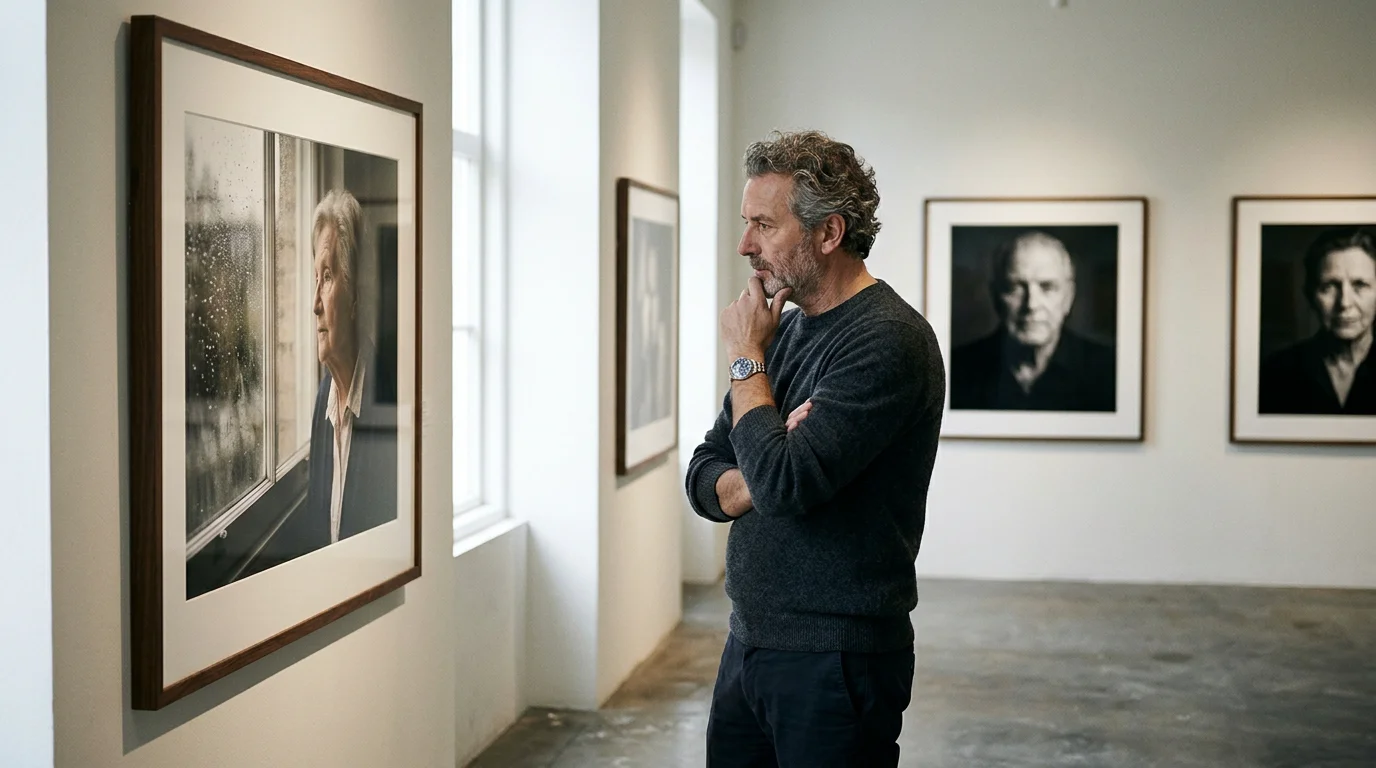
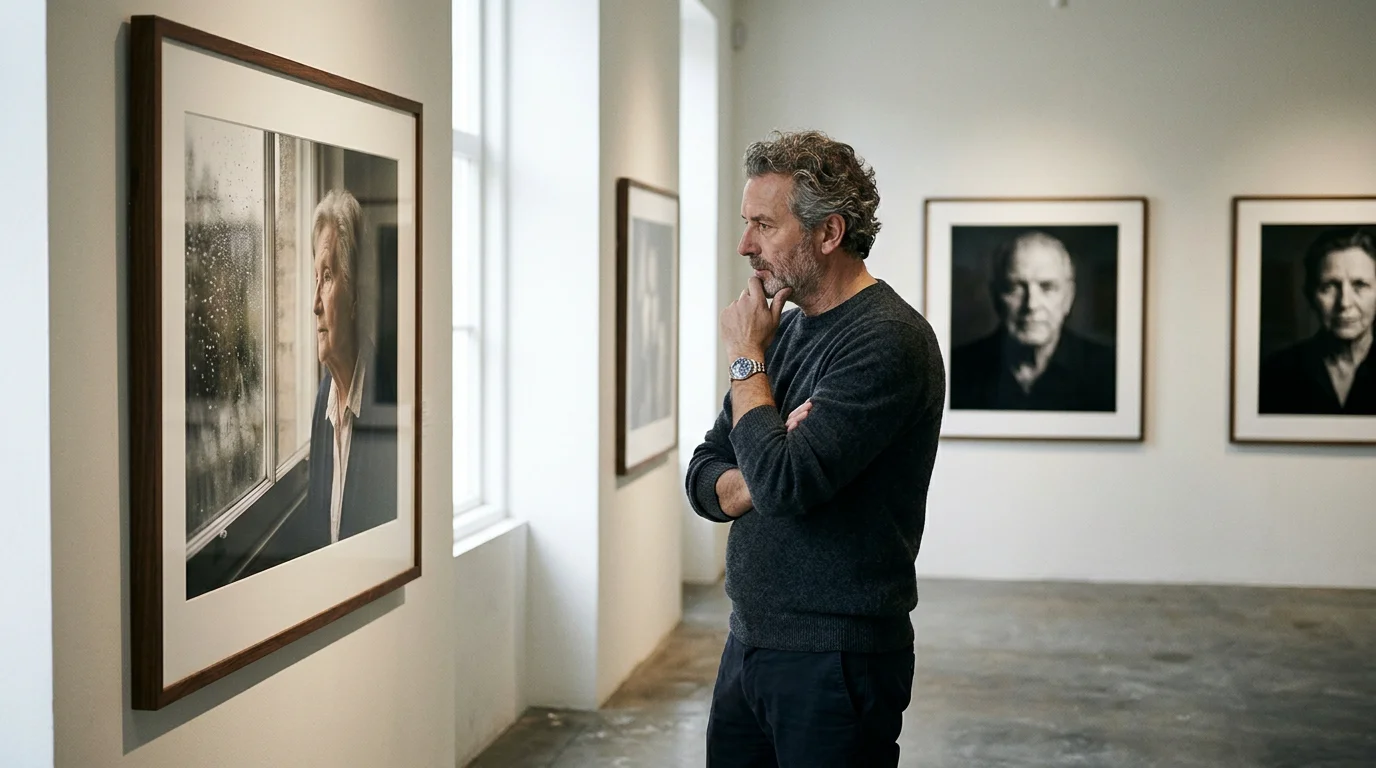
Ask any panel what separates a finalist from a laureate, and three qualities recur: originality, technical execution, and emotional impact. A winning photograph tells a story before the viewer reads a single caption. Consider the recent Independent Photographer portrait laureates, whose images were praised for portraying subjects “with dignity, a sense of nostalgia” and a gaze that carries narrative weight.
Technical mastery is the baseline, not the differentiator. Sharp focus, deliberate light, and controlled composition are expected. What elevates an entry is a point of view that could belong to no one else. If you want to internalize these criteria before entering, our guide to What makes an award-winning photograph breaks down how a professional jury weighs quality, originality, and visual impact.
Why originality beats technical perfection
A common misconception is that the sharpest, most polished frame wins. In practice, juries see thousands of technically flawless images. The entries that advance are the ones that reframe a familiar subject. Look at recent category laureates whose work ranged from architectural studies of abandoned pianos to underwater nature scenes; each succeeded by offering a perspective the panel had not seen before.
This shift toward distinctive vision is intensifying as tools democratize technical quality. Marketers reported 62% AI adoption for content creation in 2024, and automated culling and editing now compress the technical gap between amateurs and professionals. When execution becomes commoditized, authorship becomes the deciding factor, and a personal narrative is what a jury remembers.
Choosing the right competition and category
Not every contest serves the same goal. Some prioritize photojournalism, others fine art, portraiture, or conceptual work. Entering the wrong category dilutes an otherwise strong image. Before you submit, study the judging panel, the past laureates, and the stated theme. A portrait that thrives under a documentary brief may falter in an abstract category.
Category fit also shapes your odds. Competitions often spread awards across professional and amateur tiers and dozens of specialisms, which means a well-placed entry competes against a smaller, more relevant field. To see how theme, jury, and entry tiers fit together, you can Understand how the photography contest works before committing your strongest frames.
How submission plans affect your strategy
Most international awards let you submit a set number of entries. Sending a single flawless image concentrates attention, while a larger set lets you cover multiple categories. The disciplined approach is to curate ruthlessly. Three exceptional images outperform seven inconsistent ones, because a weak entry signals a weaker eye to an experienced juror.
Turning a win into a lasting career
Winning is a beginning, not a destination. The tangible value of an award lies in what follows: editorial publication, a verifiable credential, and access to an international audience. Photographers who convert recognition into momentum treat every placement as a portfolio anchor and a marketing asset, not a trophy for the shelf.
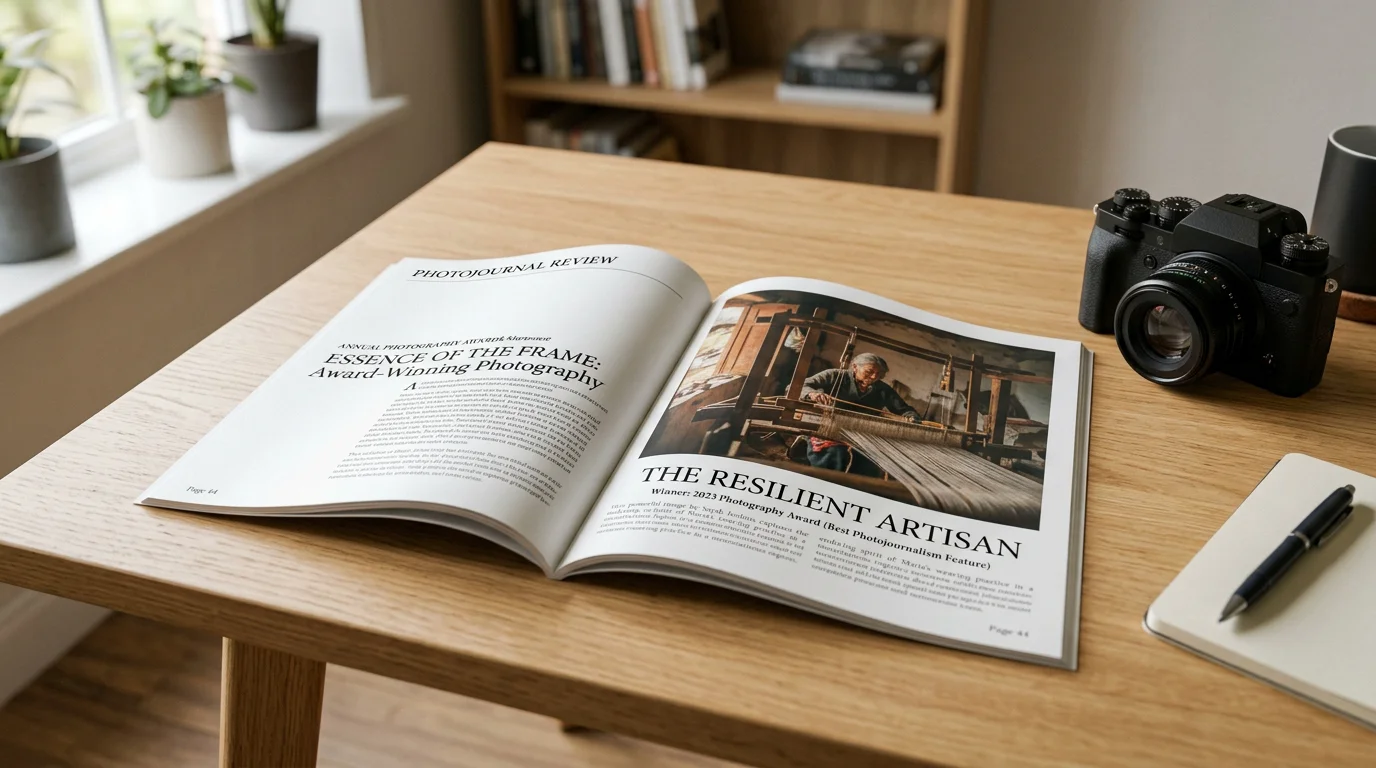
The business case is real. In the United States alone, the photography industry reached a market size of $16.2 billion in 2026, and clients increasingly vet talent through demonstrable credentials. An award, a certificate, and editorial features give you the third-party validation that converts interest into paid work.
How the leading photography awards compare
Different programs deliver different forms of recognition. The table below compares what several international competitions offer against what we provide, so you can align your entry with the outcome you want.
| Program | Focus | Winner benefits | Editorial publication |
|---|---|---|---|
| Art Vision Awards | Global, all genres and portraiture | Cash prizes up to €2,500, statuette, badges, Cannes invitation for premium tiers | Yes, in AVA Magazine |
| Competitor A | Professional categories | Title recognition and gallery exposure | Selective |
| Competitor B | Single-image and series | Cash awards and exhibition | Selective |
| Competitor C | Portrait and documentary | Cash prize and social feature | Selective |
Our tiered structure, spanning Spotlight, Signature, and Prestige levels, is designed so recognition scales with ambition, combining a professional jury review, downloadable winner assets, and publication in a way that supports both emerging and established photographers.
Preparing a submission that stands out
Before you enter, treat the process like an editor. Sequence your images, remove anything derivative, and confirm each frame answers the theme with intent. Write a concise statement that clarifies your narrative without over-explaining. Juries reward confidence and coherence, and a muddled caption can undermine a strong image.
Consistency across a body of work signals a mature eye. The demands of running a creative practice are heavy; only 5% of photographers report managing professional stress effectively, according to the 2026 industry survey. Approaching contests with a calm, systematic method protects both your work and your wellbeing, and it shows in the final selection.
Final thoughts on winning recognition
Becoming a photography contest winner is the product of a distinctive vision, disciplined curation, and the right competition fit rather than technical perfection alone. Study the juries, respect each theme, and submit only your strongest frames. When recognition arrives, treat it as a professional asset: pair every award with publication and visibility, and let each placement compound into a durable, internationally credible career.
Take action with Art Vision Awards
You have refined your vision and understood what a jury rewards. The next step is placing your best work in front of an international professional panel that can recognize it and amplify it. That is precisely what we do for photographers and visual artists worldwide.
Through the Art Vision Awards 2026 international competition, we review your submissions for quality, originality, and visual impact, then reward selected work with cash prizes, certificates, editorial publication in AVA Magazine, and downloadable winner assets. Start for free and See photography contest winners whose recognition began with a single, considered entry.
Frequently Asked Questions
What do photography competition juries look for most?
Juries weigh originality, technical execution, and emotional impact, with a clear narrative often deciding the outcome. Technical quality is treated as a baseline expectation. The distinctive point of view is what separates a laureate from a finalist.
How many photos should I submit to a contest?
Curate ruthlessly rather than maximizing volume. A small set of exceptional, category-appropriate images usually outperforms a larger, inconsistent selection. Many programs offer plans of one, four, or seven entries, so match your quantity to your strongest work.
Does winning a photography award actually help my career?
Yes, because an award functions as a verifiable credential and a marketing asset. Through our AVA Magazine publication and downloadable winner logos, recognition converts into editorial visibility and client trust. That third-party validation frequently leads to commissions and international exposure.
How do I choose the right competition for my work?
Study the judging panel, past laureates, and the stated theme before entering. Align your genre, whether portrait, fine art, or documentary, with the category that fits it best. Entering the wrong category dilutes even an outstanding image.
Can beginners realistically win international photography contests?
Emerging photographers absolutely place, especially in programs with dedicated amateur tiers and profile badge recognition. A distinctive vision often matters more than expensive equipment or years of experience. Focus on a strong narrative and disciplined curation to compete effectively.


Comments are closed.