
Salon Photo – Vidéo Paris 2026: What Photographers Should Know Before Visiting
Salon Photo – Vidéo Paris 2026: What Photographers Should Know Before Visiting
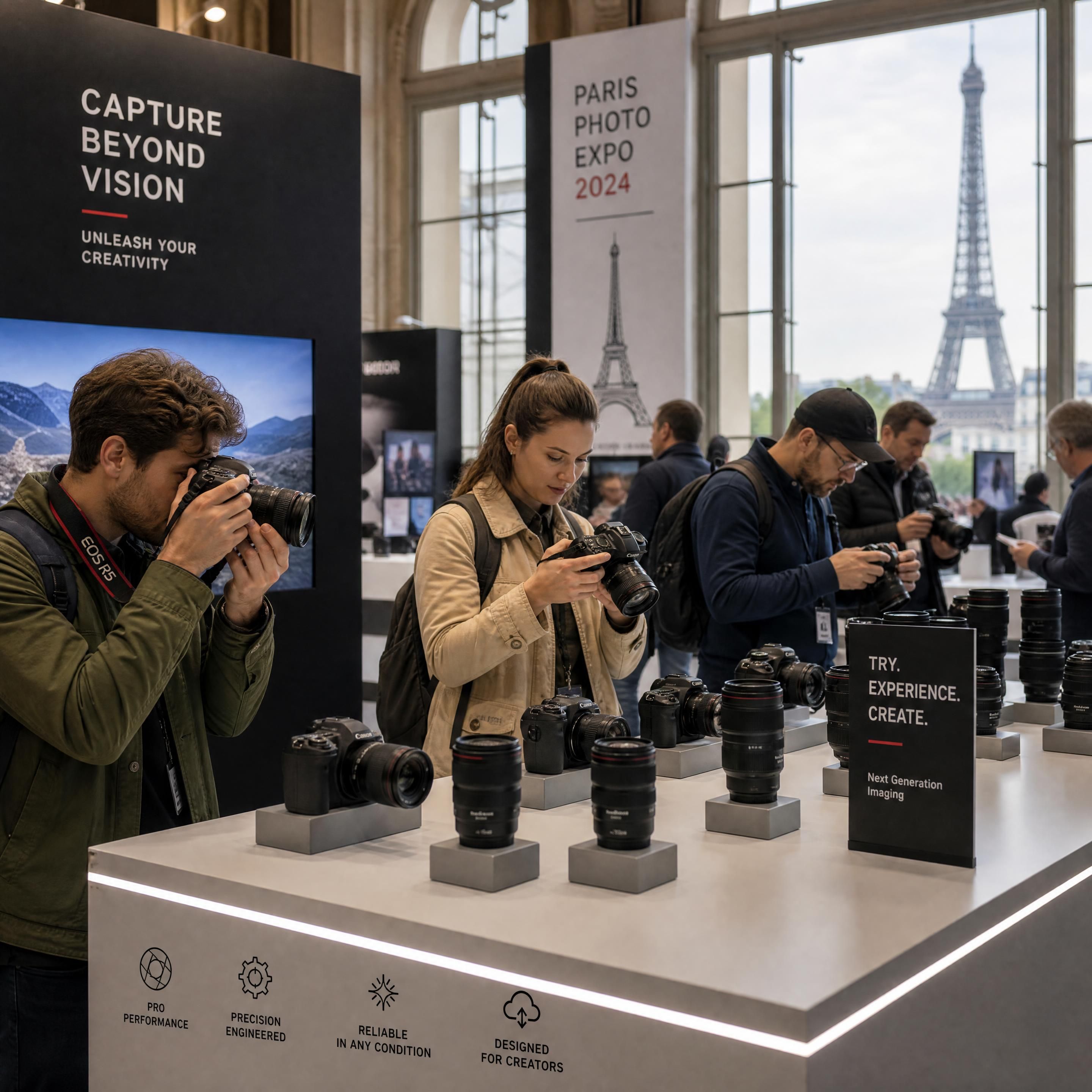
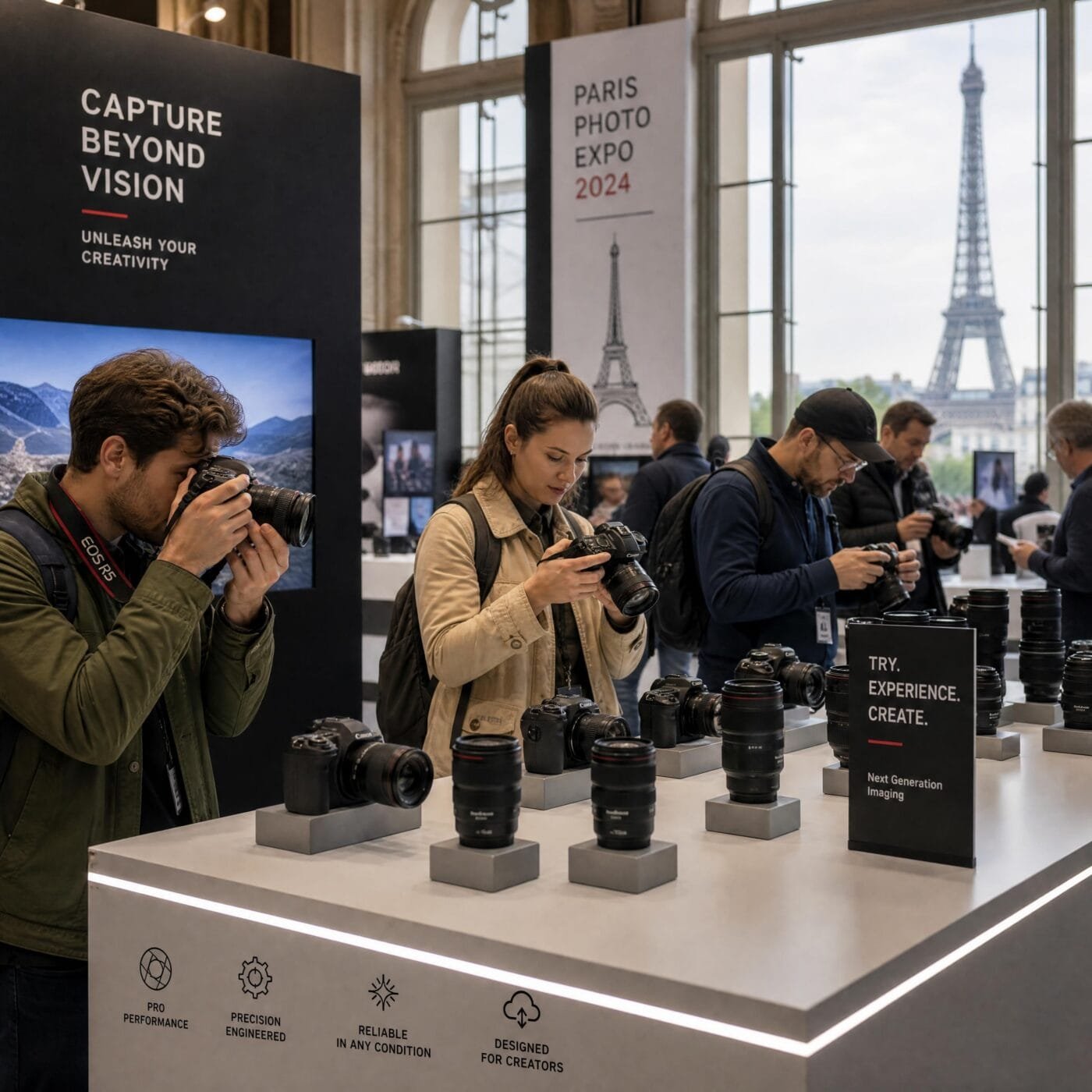
Paris will host one of France’s major imaging events from October 8 to October 11, 2026, when the Salon Photo & Vidéo Paris 2026 returns to the Grande Halle de la Villette. Formerly associated with the Salon de la Photo, the event now reflects the growing relationship between still photography, video production and digital content creation.
The show is designed for a broad audience: camera and lens manufacturers, professional photographers, videographers, imaging specialists, creative professionals, experienced enthusiasts and newcomers. For anyone considering a new camera system, improving a studio workflow or exploring the latest developments in image-making, the event offers an opportunity to see equipment and techniques in person.
Visitors can find the latest information on the official Salon Photo & Vidéo Paris 2026 website before planning their visit.
Table des Matières
- What Is the Salon Photo & Vidéo?
- When and Where Is the 2026 Event?
- Why Photographers Should Visit
- Cameras and Lenses
- Photo and Video Are Becoming One Market
- Lighting and Studio Equipment
- Printing and Fine-Art Photography
- Software, Editing and AI
- What Professional Photographers Should Look For
- How to Prepare Your Visit
- Photography in Paris
- Questions Fréquentes
- Chiffres Clés
- Conclusion
What Is the Salon Photo & Vidéo?
The event has evolved beyond a traditional camera show. While photography remains central, the new Salon Photo & Vidéo identity recognizes how image production has changed.
Photography and video now overlap across many professional and creative workflows. Hybrid mirrorless cameras are used for both still images and filmmaking. Social media creators may need high-quality photographs, short-form video, livestreaming and product content from the same setup. Commercial photographers increasingly work with motion, while videographers use advanced photography features for promotional campaigns, portraits and behind-the-scenes production.
The 2026 edition is expected to reflect this broader image ecosystem through demonstrations, exhibitions, technical content and opportunities to engage with professionals. The official event description positions the salon as a place to discover, test, learn, meet and work across photography and video. citeturn2search1turn2search3
The programme may include areas related to:
- Hybrid cameras and lenses
- Professional video equipment
- Lighting and studio production
- Printing and colour management
- Editing and digital workflows
- Immersive exhibitions
- Educational sessions and demonstrations
- Content creation and new visual practices
Specific exhibitors, speakers, workshops and demonstrations should be confirmed directly through the official programme before publication or travel.
When and Where Is the 2026 Event?
The Salon Photo & Vidéo Paris 2026 will take place at the Grande Halle de la Villette in Paris, France, from Thursday, October 8, 2026, to Sunday, October 11, 2026.
| Detail | Information |
|---|---|
| Event | Salon Photo & Vidéo Paris 2026 |
| Dates | October 8–11, 2026 |
| Venue | Grande Halle de la Villette |
| City | Paris, France |
| Official website | lesalondelaphoto.com |
The official event website currently lists opening hours of 10:00 to 19:00 during the four-day event. Visitors should check the latest practical information before travelling, as schedules, ticket conditions and programme details may change. citeturn2search1turn2search4
La Villette is a suitable setting for a large photography exhibition because the Grande Halle provides a substantial event space capable of accommodating equipment demonstrations, exhibitions, educational content and visitor circulation. La Villette’s 2026–2027 programme describes the salon as an ephemeral image studio where practice, creation and encounters meet around photography and video. citeturn3search0
Why Photographers Should Visit
A photography exhibition can be more useful than online research when a purchasing decision involves ergonomics, handling or workflow compatibility. The Salon Photo & Vidéo gives visitors a chance to compare different categories of equipment and discuss practical questions with industry representatives.
Photographers may visit to:
- Discover new cameras and lenses
- Compare equipment in one location
- Handle camera bodies and assess ergonomics
- Explore lighting and studio accessories
- Learn about printing and post-production
- Attend demonstrations or talks listed in the official programme
- Meet other photographers and creators
- Discover developments in hybrid photography and video
- Compare equipment before making a professional investment
The event is relevant to both specialists and enthusiasts. A portrait photographer may focus on lighting and tethering, while a travel photographer may be more interested in compact systems and lightweight lenses. A content creator may prioritize microphones, continuous lighting and stabilization.
Cameras and Lenses
Camera specifications do not tell the complete story. Resolution, autofocus modes and video formats are important, but they do not explain how a camera feels in the hand or how efficiently it fits into a working process.
At a camera show in Paris, visitors may be able to:
- Handle different camera bodies
- Compare grips and button layouts
- Look through electronic viewfinders
- Assess screen visibility and articulation
- Compare lens size, balance and focusing behaviour
- Ask technical questions about compatibility
- Examine accessories such as batteries, cages and support systems
Photographers should avoid assuming that the newest model is automatically the best choice. The most useful system is the one that suits the photographer’s assignments, existing lenses, preferred handling and long-term workflow.
A practical strategy is to prepare a short list before attending. Note the features that matter most, such as autofocus tracking, low-light performance, weather sealing, image stabilization, video recording limits or file compatibility. This makes it easier to compare systems objectively rather than becoming distracted by specifications alone.
Photo and Video Are Becoming One Market
The expansion from Salon de la Photo Paris 2026 to Salon Photo & Vidéo reflects a significant change in how images are produced and distributed.
Many current workflows combine:
- Hybrid mirrorless cameras
- High-resolution still photography
- 4K or higher-resolution video
- In-body stabilization
- Wireless microphones
- Gimbals and camera support
- Continuous LED lighting
- Mobile editing and cloud collaboration
For professional photographers, this shift can create new services and revenue opportunities. A wedding photographer may offer short social clips alongside still images. A commercial photographer may capture campaign photographs and motion assets during the same production. A content creator may need one compact setup for interviews, product photography and vertical video.
The salon’s wider focus is therefore relevant to anyone working in today’s visual economy, even if their primary discipline remains photography. The official 2026 communication emphasizes the connection between photographers, videographers, filmmakers and content creators. citeturn2search0turn2search3
Lighting and Studio Equipment
Portrait, fashion and studio photographers should pay close attention to lighting. Flash systems, continuous LEDs and modifiers can appear similar in product photographs but behave differently in practice.
Useful areas to examine include:
- Studio flash systems
- Continuous LED lighting
- Softboxes and umbrellas
- Reflectors and light modifiers
- Background systems
- Tethering solutions
- Wireless triggers
- Portable power options
Lighting equipment is particularly valuable to see in person because demonstrations reveal qualities that specifications cannot fully communicate. The size and softness of a modifier, the colour consistency of a light, the noise produced by a cooling fan and the speed of power adjustment can all affect a working setup.
Photographers should also consider how lighting integrates with their existing equipment. A system that offers excellent performance may not be practical if it requires replacing triggers, stands or accessories already used on assignments.
Printing and Fine-Art Photography
Printing remains important for professional photographers, galleries, artists and clients who want a physical final product. A digital file may be the starting point, but a print reveals decisions about colour, paper, texture, scale and presentation.
Visitors interested in fine-art photography should look for information about:
- Professional photo printing
- Fine-art papers
- Photo books
- Large-format printing
- Colour management
- Monitors and calibration
- Soft proofing
- Archival production
An exhibition environment can make it easier to compare papers and finishes. Photographers can also ask about recommended file preparation, colour profiles, print longevity and the relationship between monitor calibration and final output.
Software, Editing and AI
Modern photography depends on more than cameras and lenses. The workflow after capture can influence productivity, consistency and profitability just as much as the equipment used on location.
Relevant subjects may include:
- RAW processing
- Retouching
- AI-assisted masking
- Noise reduction
- Image selection
- Workflow automation
- Digital asset management
- Backup and archiving
Software tools should be evaluated according to real working needs. A high-volume event photographer may prioritize fast culling and metadata management. A fine-art photographer may focus on colour accuracy. A commercial studio may need reliable collaboration, version control and repeatable export settings.
AI-assisted imaging is also becoming part of the wider conversation around photography. Visitors should distinguish between tools that accelerate routine work—such as masking or noise reduction—and tools that alter the meaning or authenticity of an image. For professional use, transparency, client expectations and licensing remain important considerations.
What Professional Photographers Should Look For
Different specialties require different priorities at a photography gear exhibition.
| Photographer | Equipment and topics to prioritize |
|---|---|
| Portrait photographer | Portrait lenses, lighting, tethering and printing |
| Fashion photographer | Studio workflow, colour management and high-resolution systems |
| Wildlife photographer | Telephoto lenses, autofocus and camera support |
| Travel photographer | Compact cameras, lightweight lenses and accessories |
| Video creator | Hybrid cameras, microphones, stabilization and continuous lighting |
Professional photographers should also consider the full cost of ownership. A camera body may be only one part of an investment that includes lenses, batteries, storage, lighting, software, support and maintenance.
For comparisons involving professional camera systems, photographers should focus on the complete workflow rather than isolated specifications.
A Good Opportunity to Compare Equipment
Online reviews are useful, but they cannot replace hands-on testing. Grip, weight, menu systems, viewfinder quality and lens balance all influence how comfortable a camera is during a long assignment.
When comparing equipment, pay attention to:
- How naturally the camera fits your hand.
- Whether essential controls are easy to reach.
- How quickly menus can be navigated.
- Whether the viewfinder provides a clear, comfortable view.
- How the lens balances on the camera body.
- Whether autofocus behaviour suits your subject.
- How the system fits with equipment you already own.
A professional photography event Paris visitors can attend in person may help eliminate unsuitable options before money is spent. Even a short conversation with a technical representative can clarify compatibility, firmware support and accessory requirements.
Meeting the Photography Community
Photography fairs are not only equipment marketplaces. They can also create opportunities to encounter photographers, creators, educators, editors, photography organizations and other enthusiasts.
The official 2026 event material refers to exhibitions, masterclasses, demonstrations and exchanges with photographers, videographers and content creators. However, visitors should consult the published programme for confirmed names, schedules and formats rather than relying on early announcements. citeturn3search0turn2search3
For independent photographers, these encounters can provide useful insight into business practices, production methods and changing client expectations. For students and enthusiasts, they can offer a clearer view of potential creative directions.
How to Prepare Your Visit
A little preparation will make the photo fair Paris 2026 more productive.
Before going:
- Check the official programme and exhibitor list.
- Identify the cameras, lenses or accessories you want to compare.
- Prepare technical questions in advance.
- Bring a written list of your current equipment.
- Check whether demonstrations permit personal memory cards or test files.
- Allow enough time for talks, demonstrations and equipment handling.
- Wear comfortable shoes.
- Verify opening times, tickets and practical information before travelling.
The official Salon Photo & Vidéo website should remain the primary reference for the latest programme, exhibitors and visitor information.
Questions to Ask Camera Manufacturers
Useful questions include:
- How does this model compare with the previous generation?
- Which lenses are best suited to portrait photography?
- How does subject tracking work in difficult light?
- What is the expected battery life in real-world use?
- Which accessories are compatible?
- What professional support is available?
- How long will firmware support continue?
- Are there restrictions on video recording or file formats?
- How does the system integrate with existing lenses and flashes?
These questions encourage practical answers and help photographers compare systems according to their own requirements.
For Photographers Planning to Upgrade Their Equipment
A photography exhibition can create excitement, but photographers should avoid buying equipment simply because it is new. Before upgrading, evaluate:
- Your real photographic needs
- Your existing lens system
- The weight you are prepared to carry
- Your editing and storage workflow
- Your available budget
- Compatibility with current accessories
- Professional requirements and client expectations
A new camera may improve your work, but the best upgrade could instead be a lens, lighting system, monitor, printer, backup solution or training investment. The event is most valuable when it helps you make a considered decision.
Photography in Paris
Photographers attending the event may also find opportunities to practise around Paris. The city offers varied subjects, including architecture, street scenes, portraits and urban life. Even a short session before or after visiting the Grande Halle can provide a useful opportunity to test a camera or lens in a real environment.
This should remain secondary to the event itself: the main value of the trip is the chance to explore the professional photography event Paris is hosting and evaluate equipment directly.
Questions Fréquentes
When is the Salon Photo & Vidéo Paris 2026?
The event will take place from October 8 to October 11, 2026. The official website lists daily opening hours of 10:00 to 19:00, subject to confirmation before travelling. citeturn2search1turn2search4
Where is the Salon Photo & Vidéo held?
The event will be held at the Grande Halle de la Villette, Paris, France. La Villette also lists the 2026 salon in its 2026–2027 programme. citeturn3search0
Is the Salon de la Photo now called Salon Photo & Vidéo?
The 2026 event is presented officially as the Salon Photo & Vidéo. The name reflects a broader focus on photography, video, filmmaking and content creation. citeturn2search3
Who should visit the event?
The salon is intended for photographers, videographers, content creators, professionals, enthusiasts, students and anyone interested in imaging technology and visual creation.
Can professional photographers attend?
Yes. The official event information specifically includes professional photographers among the intended audiences. citeturn2search1
Will camera and lens manufacturers be present?
The event is designed to bring together brands and imaging professionals. The confirmed exhibitor list should be checked on the official website before publication or travel.
Can visitors test photography equipment?
The official event material emphasizes practice, manipulation and testing equipment. The exact products and demonstration conditions should be verified through the current programme and exhibitor information. citeturn2search1turn2search2
Where can I find the official programme?
The latest programme, exhibitor information, ticket details and practical updates should be found on the official Salon Photo & Vidéo website.
Chiffres Clés
📅 4 days of photography and video content are scheduled from October 8–11, 2026.
📊 4 days – Event duration
🕙 10:00–19:00 are the opening hours currently published by the event.
📊 10:00 to 19:00 – Published opening hours
🏛️ Grande Halle de la Villette will host the 2026 event in Paris.
📊 Grande Halle de la Villette, Paris – 2026 venue
Conclusion
The Salon Photo & Vidéo Paris 2026 offers photographers an opportunity to see how imaging technology is evolving, compare equipment and connect with the wider photography community.
Whether your interests include cameras, lenses, lighting, printing, editing or video, the event can help you explore new tools before making a professional purchasing decision. Its expanded focus also reflects the way contemporary visual work increasingly combines still photography, motion, sound and digital production.
Salon Photo & Vidéo Paris 2026
October 8–11, 2026
Grande Halle de la Villette, Paris
Official website: lesalondelaphoto.com
Comments are closed.